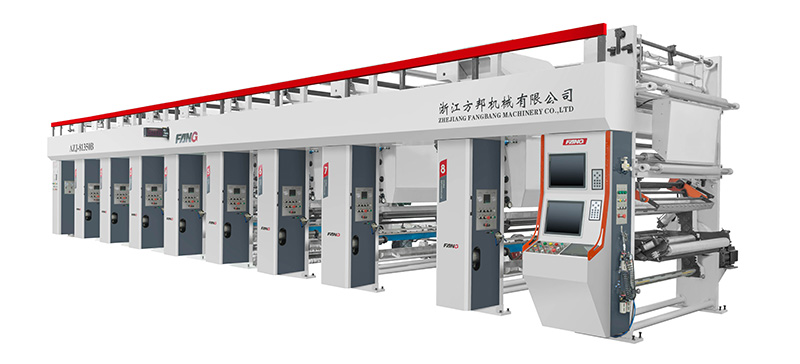
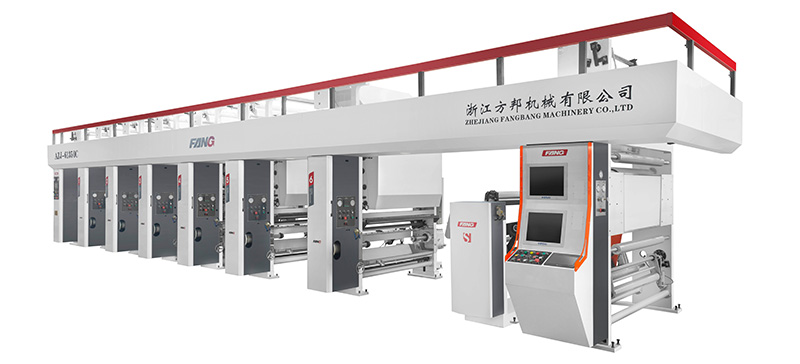
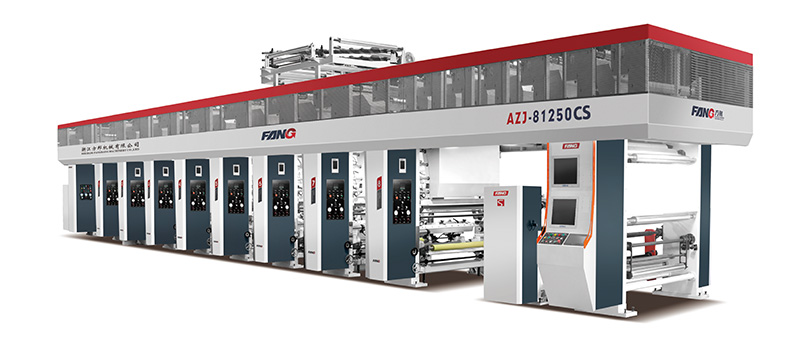
Selecting a new gravure printing press isn’t just a purchase; it’s a long-term commitment that affects your production efficiency, product quality, and operating costs. Yet every year, many converters end up with equipment that doesn’t fit their real needs – encountering endless downtime, poor print registration, or sky-high energy bills.
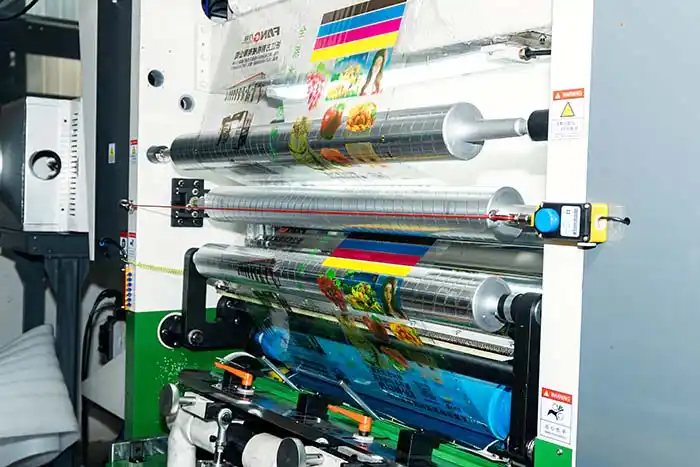
The difference between a smooth operation and a costly headache often comes down to avoiding a handful of predictable mistakes. Based on hundreds of real-world site audits and post-installation reviews, here are the five most common errors when buying gravure printing machines – and exactly how to steer clear of them.
One of the biggest regrets we hear: “Our new press struggles with thin films and stretchy materials.” Many buyers focus only on standard paper or common films, forgetting that their future orders may include heat-sensitive substrates, aluminum foil, or elastic laminates. When the press’s tension control and impression mechanism aren’t designed for a wide range, you face wrinkling, breakage, and constant re-adjustments.
How to avoid it: Before signing any specification sheet, list every substrate you currently run – plus two or three you plan to run next year. Then verify that the system offers independent tension zones, adjustable nip pressure, and a sturdy drum design that minimizes vibration on delicate materials. For operations handling diverse materials, [click to explore modular gravure press configurations built for mixed-substrate jobs] – these platforms are engineered with adaptive tension controls that save weeks of re-tuning annually.
Drying is often an afterthought – until you face solvent retention, slow line speeds, or high VOC emissions. A classic error is matching dryer power only to current solvent loads without considering future ink formulations or environmental regulations. Undersized or poorly distributed hot air leads to smearing, blocking, and rejected rolls. Oversized but inefficient dryers waste enormous energy.
How to avoid it: Calculate your maximum solvent evaporation rate (kg/hour) for the fastest job you anticipate, then add 20% safety margin. Also examine air flow uniformity across the web – many presses have “hot spots” that create uneven drying. Modern systems use nozzle geometry and recirculation to cut energy use by 30-50%. [Learn more about integrated drying solutions for gravure] that include auto-adjusting temperature profiles and solvent recovery options, which are becoming a must-have for sustainable packaging lines.
Vendors love to quote registration accuracy in perfect lab conditions (±0.1 mm at 50 m/min). But what happens at 250 m/min with web flutter or temperature drift? Many gravure presses show healthy registration on slow test runs but lose control when production speeds ramp up. The culprit is often a low-resolution encoder, poor drum concentricity, or a control algorithm that can’t compensate for thermal expansion.
How to avoid it: Ask for witnessed speed-ramp tests using your own film or foil. Pay attention to how quickly the system stabilizes after a splice or speed change. Reliable suppliers provide registration data across the full speed range, not just at a single sweet spot. If you’re planning high-speed packaging work, [check available customization options for high-precision register control] – these upgrades include direct-drive technology and advanced predictive algorithms that maintain accuracy even on long runs.
This mistake shows up 12 to 18 months after installation. The press runs fine, then a ceramic bearing fails, or a print cylinder shaft gets damaged. You call the manufacturer – and learn that the part has a 6-week lead time from overseas, with no local stock. Suddenly, your line is down for half a month. Even worse, some components are proprietary and cannot be sourced from third-party suppliers.
How to avoid it: Before finalizing your purchase, request a “critical spares list” with lead times and pricing for every wear part (bearings, seals, doctor blades, gears, sensors). Also ask whether standard industrial components (e.g., Siemens motors, SMC pneumatics) are used – that dramatically reduces future headaches. For busy print shops that cannot afford extended downtime, [see how FangBang’s local service network and spare parts stocking work] – many users report same-day shipment for common parts and remote diagnostics that solve half the issues without a site visit.
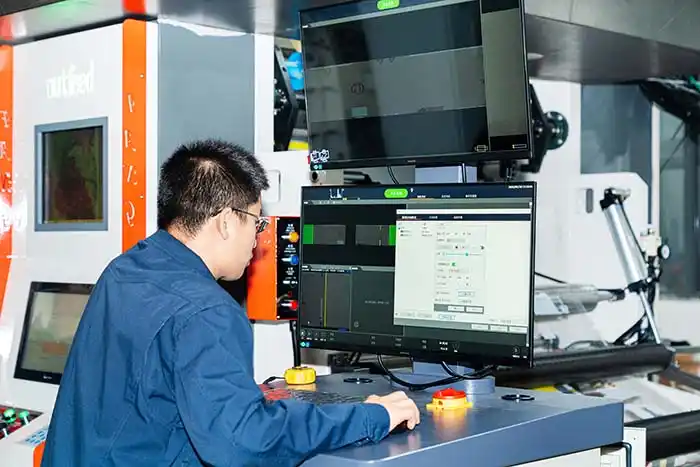
[Image: Photo of a technician replacing a gravure impression roller – annotated with wear parts]
A low sticker price is tempting – especially when budgets are tight. But the cheapest gravure press often becomes the most expensive over five years. Hidden costs include: higher energy consumption (older designs, poorly insulated dryers), frequent blade and roller changes (because of subpar surface finish on the drum), and lower output (due to slower setup and cleaning times). Some factories end up spending double the purchase price on extra maintenance and lost production within three years.
How to avoid it: Build a simple total cost of ownership (TCO) model. Estimate electricity use (kW/h), drying efficiency (kg solvent/kWh), average make-ready time per job, and annual spare parts cost. Compare those metrics across at least three suppliers. Also factor in technical support responsiveness – a 24-hour delay in troubleshooting can cost thousands in idle press time. Many experienced buyers have shifted their focus from “cheapest quote” to [get a tailored TCO assessment for gravure printing lines] – this type of analysis often reveals that a moderately higher upfront investment pays back in under 18 months through energy savings and uptime.
Selecting a gravure printing machine doesn’t have to be a minefield. By avoiding these five mistakes – narrow substrate thinking, insufficient drying, unrealistic registration specs, spare parts neglect, and pure price focus – you can find a system that actually grows with your business.
If you’re looking for a partner that prioritizes long-term reliability and transparent TCO, take a closer look at FangBang's gravure printing solutions. Their modular platforms are designed around real-world feedback from converters who run 24/7 lines. From substrate-adaptive tension zones to energy-efficient drying and local parts support, every detail aims to reduce the “hidden costs” that eat into your margins.
Disclaimer: The insights above are based on industry best practices and common field observations. Always conduct your own due diligence and on-site testing for your specific applications.
May 13, 2026
Gravure Printing Machine Selection: 5 Common MistakesMay 09, 2026
Gravure Printing Machine Selection: Electronic vs Mechanical AxisMay 05, 2026
Gravure Printing Machine Selection for Better Color Accuracy