Every converter knows the frustration: a beautiful gravure job ruined by a few millimeters of color drift. Misregistration doesn't just waste expensive film and ink—it erodes client trust and pushes deadlines past breaking point. The core of a reliable rotogravure press lies in how its registration system handles the real-world chaos of tension, temperature, and material stretch. Before you evaluate any gravure press solutions, understanding registration mechanics can save you months of troubleshooting and thousands in spoiled rolls. Let's break down what matters.
(https://youtu.be/3xQQrDf40Cc?si=v2qJqBk-JbPT81b3)
Registration is the precise alignment of each color station so that the printed dots from successive cylinders land exactly where they should. In a multi-color job, even a 0.1mm shift creates ghost edges or visible halo effects. Traditional mechanical systems used a common main shaft to synchronize all printing units – but as web speeds increased and substrates became more elastic, shaft-driven layouts revealed their limits. Modern gravure printing machines rely on electronic line shafts or independent servo drives to maintain register without physical gearing. But the real intelligence lives in the register control loop: mark detection → error calculation → correction command → actuator response.
To evaluate any press's registration capability, focus on these interdependent components:
When comparing rotogravure presses with advanced registration, pay attention to the register tolerance specification over a full shift without manual intervention. Many suppliers quote "±0.1mm" in ideal conditions, but real production with variable tension and splices tells a different story.
Let's walk through a typical sequence on a CI gravure press printing six colors on oriented polypropylene film:
A common mistake: operators assume that once registration is set at startup, it stays locked. In reality, elastic substrates like cast polypropylene (CPP) or polyethylene (PE) stretch as tension fluctuates due to roll changes or temperature shifts. That's why high-precision gravure printing equipment must include automatic register control (ARC) with real-time compensation, not just initial job setup.
Many plants blame the press when registration drifts, but often the root cause is a mismatch between press capability and job requirements. Use this table to quickly evaluate what you really need:
| Job characteristic | Risk for registration | Press the feature to look for |
|---|---|---|
| Very thin film or highly stretchable | High – elongation changes register | Load cells on each unwind/rewind, direct-drive servo tension control |
| High speed | High sensor latency becomes critical | High-frequency (≥4 kHz) mark sensors + real-time Ethernet control |
| Long repeat length | Medium – cumulative error from web path | Electronic line shaft with electronic gearing, not mechanical |
| Frequent roll changes/splices | High – tension spikes | Automatic register preset and splice compensation routine |
| Metallic inks or low-contrast substrates | Medium – marks may be hard to read | UV-reflective marks or through-beam sensors |
Beyond the table, always request a live demonstration with your own substrate and ink. A press that holds perfect register on 40gsm paper may fail on 12µm PET metallized film.
Before diving into specs, let's separate marketing talk from operational reality. Mechanical register systems use a central drive shaft with differential gears. They are robust and low-cost, but any correction moves all downstream units, causing ripple effects. Electronic register control assigns an independent motor to each printing unit or color deck. For demanding applications like high-end packaging or decorative laminates, independent servo drives offer three decisive advantages:
While the initial cost is higher, plants running more than two shifts or high-value materials typically recover the investment within 12-18 months from reduced waste alone. For converters handling medical films, pouches, or shrink sleeves, the precision of a servo-driven system is non-negotiable. That's why many modern gravure printing machines—including the configurations we build at FangBang—integrate fully independent servo register control as standard on multi-color lines.
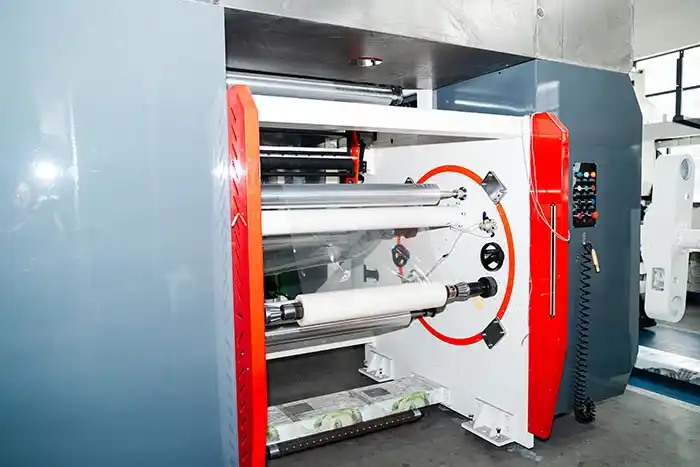
Even the best press will struggle if auxiliary systems aren't aligned. Based on field data from over 120 installation audits, these five practices have the highest impact:
If you consistently fight register issues despite following these steps, consider whether the press's control loop update rate or actuator resolution is simply insufficient for your web width and speed. Mid-range presses often use 10ms update cycles, while high-end rotogravure printing equipment offers 1ms or faster.
When you're comparing quotes and technical datasheets for your next gravure press, keep this registration-focused checklist handy:
If you're planning to run high-value orders, prioritize presses with independent servo drives and predictive tension control. The upfront premium will quickly pay off through reduced material waste and faster changeovers.
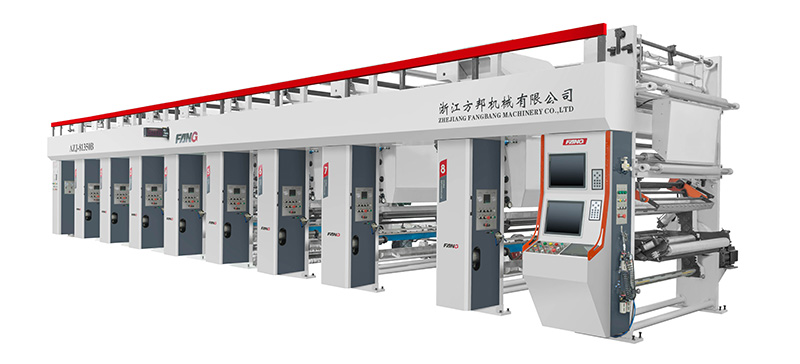
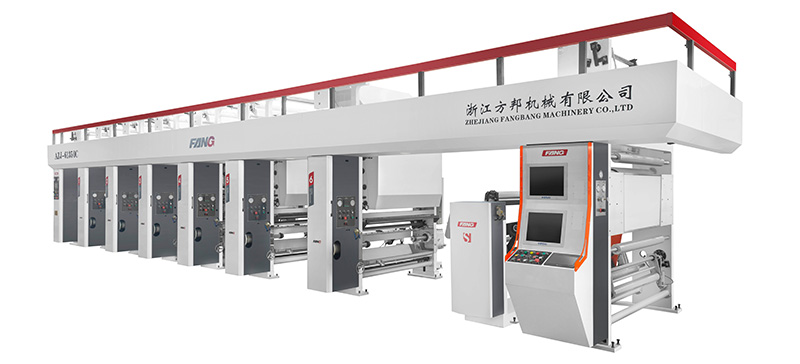
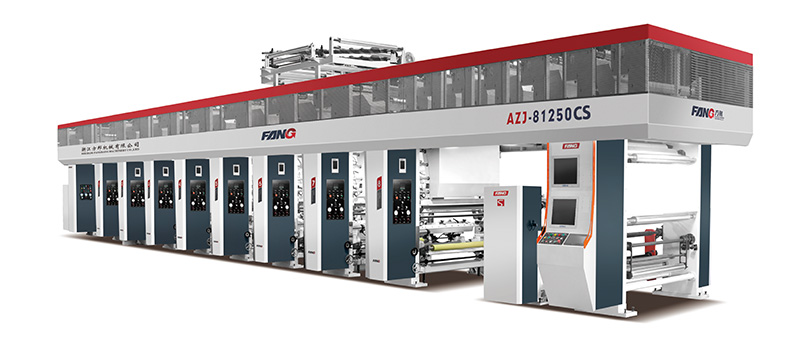
At FangBang, we've engineered our gravure printing machines to focus on what actually reduces your cost per print: precise register stability across 8 hours without operator babysitting. Whether you need a compact 6-color model or a 12-color line with inline lamination, our rotogravure printing solutions include high-speed register control with servos on each deck, plus tension zones isolated by load cells. If you're serious about eliminating misregistration waste and want a press tailored to your substrate mix, talk to our applications team – we'll walk you through a live register test using your own film samples.
Disclaimer: The technical data and recommendations in this article are based on industry standards (ISO 12647-4 for print registration) and field observations. Always conduct factory acceptance tests (FAT) with your specific substrate and print design. Individual results may vary based on operator skill and material batch consistency.
May 25, 2026
Gravure Printing Machine Selection: How Registration WorksMay 22, 2026
Flexible Packaging? Gravure Printing Machine Selection TipsMay 19, 2026
Gravure Printing Machine Selection That Cuts Energy 20%