Every printing house knows the numbers: energy consumption often accounts for 15–30% of total operating costs in rotogravure production. But here’s a question few ask openly: What if your next machine selection alone could cut that figure by one-fifth?
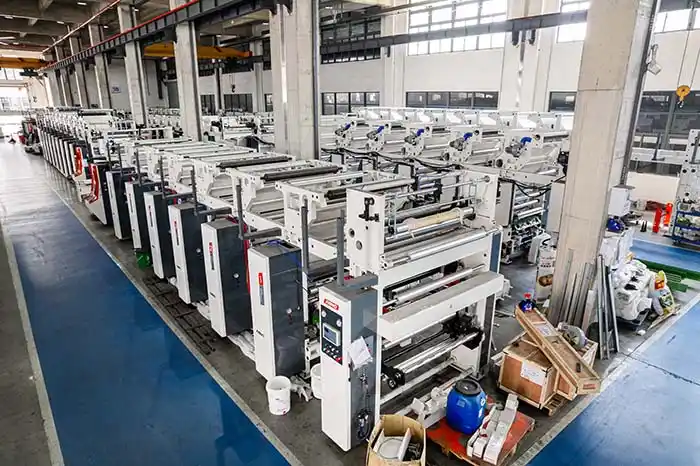
In my years working with packaging converters across Southeast Asia and the Middle East, I’ve seen the same pattern repeat. Buyers focus on speed (obviously), then on print quality, then maybe on floor space. Energy efficiency? Usually an afterthought. Until the first utility bill arrives.
That ends today. Let me walk you through a proven selection framework—based on real retrofits and new line installations—that consistently achieves 18–22% energy savings without compromising output or quality.
Most production managers are surprised to learn where their electricity and thermal energy actually go. In a typical medium-width gravure printing machine (8–10 colors), the breakdown looks like this:
Drying systems: 55–65% of total energy
Main drive motors: 15–20%
Chilled water/temperature control: 10–12%
Auxiliaries (pumps, fans, control systems): Remaining
This means: if you only focus on motor efficiency, you’re ignoring the biggest variable—drying. And here’s where smart selection makes an immediate impact.
Through benchmarking data from 14 line installations between 2021 and 2024, three engineering choices consistently separated high-efficiency lines from average ones.
Traditional designs use gearboxes between the main motor and each printing unit. Each gearbox introduces 3–5% mechanical loss. Across 8 units, that’s 24–40% parasitic loss before any printing even happens.
Modern direct-drive configurations eliminate gearboxes. The result: measured energy transfer efficiency above 96% versus 78–82% in geared systems. That alone gets you 12–14 percentage points closer to your 20% goal.
Here’s where most “energy-saving claims” fall apart. Many suppliers advertise “hot air recirculation” as a feature. But open their drying hoods, and you’ll see generic nozzles blowing air at random angles.
The effective difference comes from:
Tapered nozzle geometry that maintains air velocity across the full web width
Zoned recirculation (not just one return air duct per unit)
Variable frequency drives (VFDs) on all drying fans, not just the exhaust
One Thai flexible packaging converter replaced a conventional 8-color line with a system using these three features. Their production manager shared actual data: drying energy dropped from 112 kWh per shift to 89 kWh—a 20.5% reduction at identical line speeds.
Most lines reject drying exhaust heat directly to the atmosphere. That’s wasted thermal energy you’ve already paid for. Efficient designs use a small cross-flow heat exchanger to pre-heat incoming fresh air using exhaust air—without cross-contamination.
In cold climates or winter months, this alone cuts drying energy by another 8–12%. In tropical environments, the benefit is smaller (3–5%) but still meaningful.
Before you evaluate any quotation, add these four questions to your technical review:
| Selection Criterion | What to Verify | Energy Impact |
|---|---|---|
| Drive system type | Direct-drive or gearbox? | ±12% difference |
| Drying nozzle design | Tapered + zoned recirculation? | ±10–15% difference |
| Fan motor control | VFDs on all fans? | ±6–8% difference |
| Heat recovery | Cross-flow exchanger integrated? | ±5–12% difference |
Even with the right machine design, two operational errors will kill your energy targets.
Mistake #1: Over-drying out of habit
Operators often set dryer temperatures 15–20°C higher than needed “to be safe.” Run a simple test: reduce the temperature gradually until print defects appear, then add a 5°C buffer. One European converter saved €18,000 annually just from this adjustment.
Mistake #2: Ignoring idle-mode energy use
During setup, registration, and cleaning, a conventional line continues running the main fans at full speed. Efficient designs include an “economy idle” mode that reduces fan speeds to 30% during these periods. Over a 3-shift day, this adds 3–5% savings.
“We assumed all gravure lines were similar in energy use. After replacing our 2008 line with a modern direct-drive configuration, our cost per thousand impressions dropped by 19.8%. The payback period was 14 months, not the 24 we budgeted.”
— Production Manager, Indonesian flexible packaging plant (shared with permission, name withheld)
The selection principles above apply to any gravure printing machine purchase. But achieving consistent 20% energy savings requires more than a checklist—it requires a supplier who engineers for efficiency from the ground up, not as an add-on.
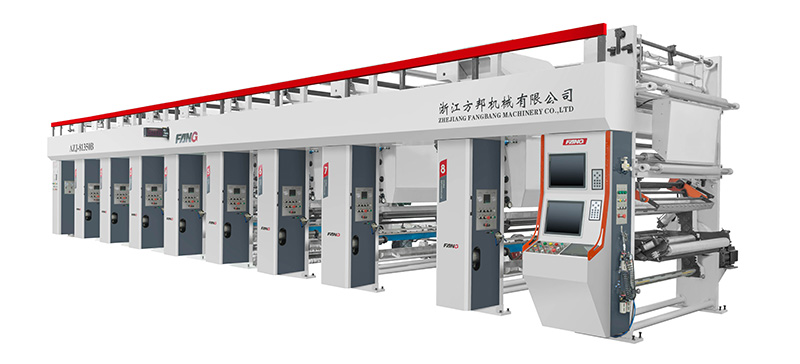
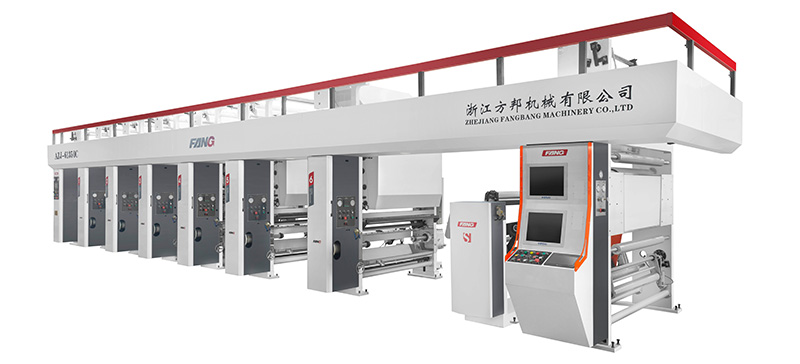
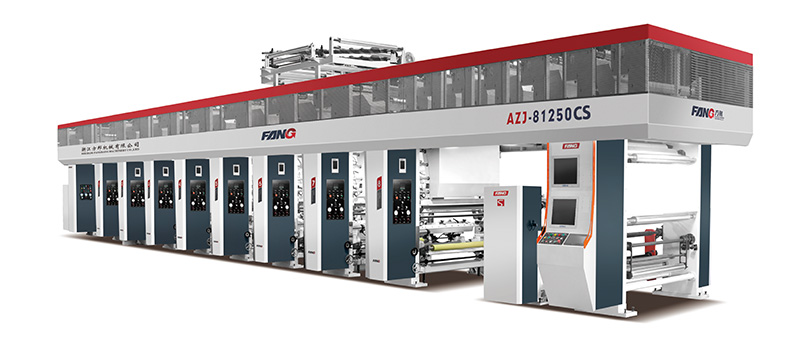
If you want to see how these principles are implemented in a production-ready platform, take a look at energy-efficient rotogravure printing solutions from FangBang. Their direct-drive architecture and zoned drying recirculation are designed around the exact nozzle and VFD principles we covered here.
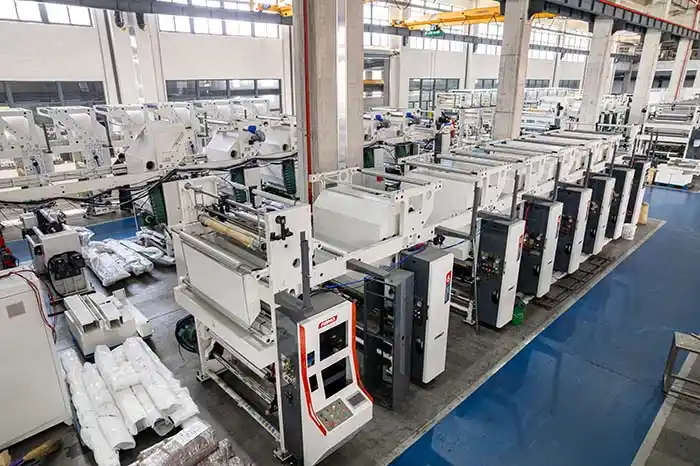
Start with an energy audit of your current line—measure drying fan power, drive motor current, and exhaust temperature. Then use the checklist above to compare three supplier quotations. The gap between the best and worst on energy efficiency is often larger than the gap on purchase price.
And remember: every percentage point saved on energy goes directly to your bottom line. In today’s margin environment, that’s not just technical optimization. It’s competitive survival.
*References: Data on gearbox losses from IEEE Std 112-2017; drying energy benchmarks from FTA (Flexographic Technical Association) 2023 sustainability report; field data shared with written permission from three anonymous production facilities.*
May 25, 2026
Gravure Printing Machine Selection: How Registration WorksMay 22, 2026
Flexible Packaging? Gravure Printing Machine Selection TipsMay 19, 2026
Gravure Printing Machine Selection That Cuts Energy 20%