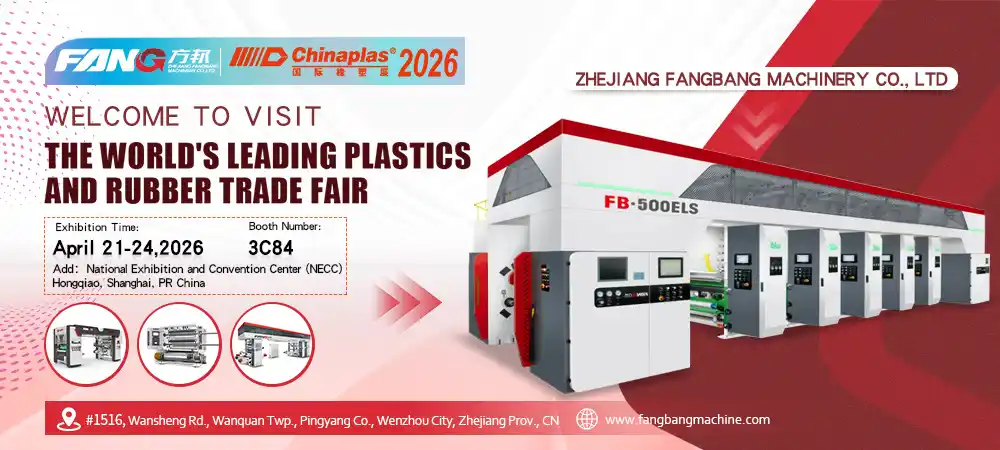
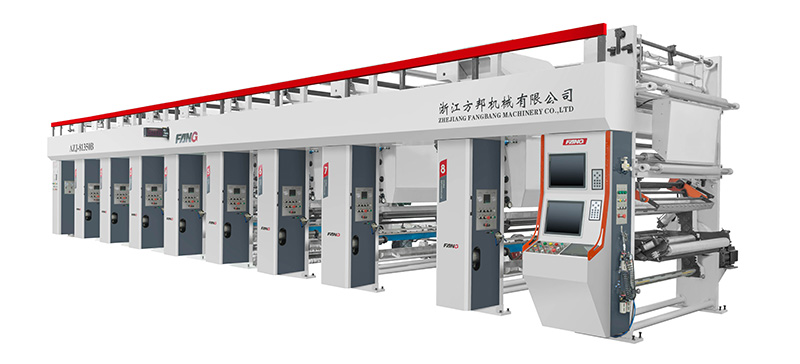
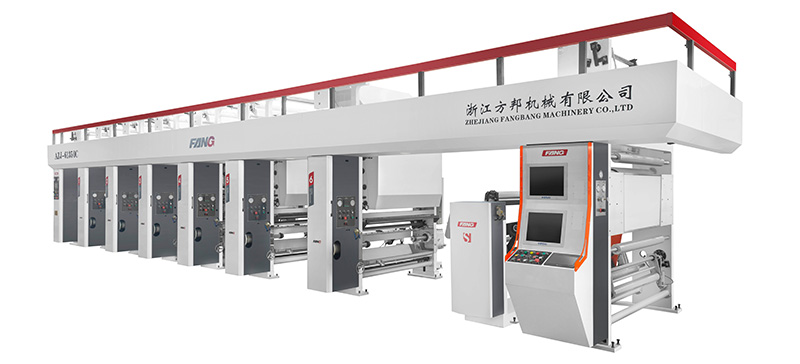
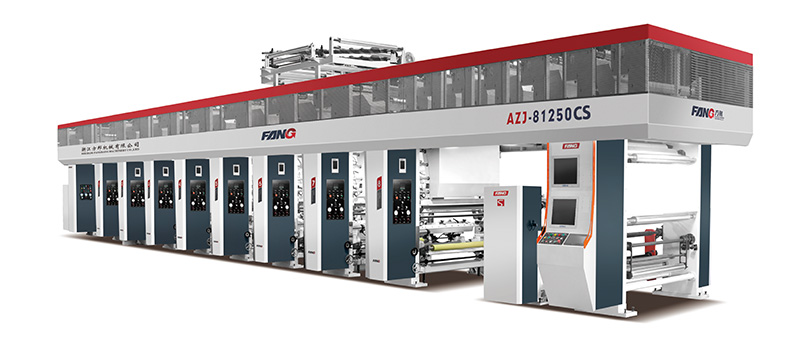
If you’re choosing between these two architectures for label production, here’s the straight answer: CI flexo delivers superior register accuracy and consistency at high speed, while a Unit Type Flexo Printing Machine (Petal Type) offers unmatched flexibility, easier maintenance, and lower upfront investment. The “better” choice depends less on theory and more on what you’re actually printing—short-run SKU-heavy labels or long-run high-precision packaging.
Let’s decode the intent behind searches like “best flexo printing machine for labels”, “high precision label printing solution”, or “flexo press comparison for packaging”.
In practice, “better” usually means:
These aren’t abstract metrics—they show up directly in your scrap rate, delivery timelines, and customer complaints.
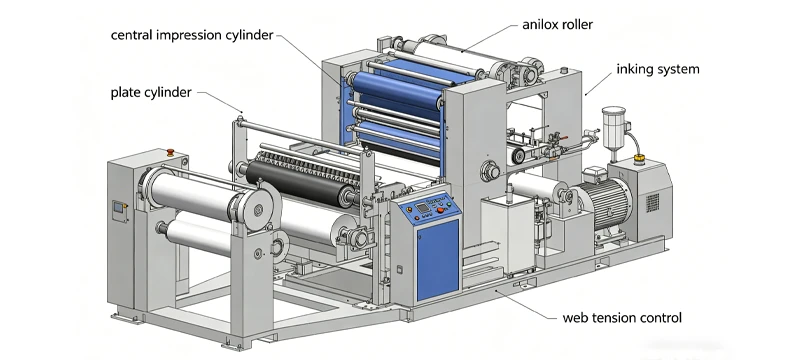
CI (Central Impression) presses wrap the substrate around a single large drum. This creates a controlled environment where tension variation is minimized, which is why CI dominates in:
From a technical standpoint, CI machines excel in:
According to industry associations like FTA (Flexographic Technical Association), centralized impression systems significantly reduce registration deviation caused by substrate stretch, especially at higher speeds.
But there’s a trade-off—CI presses are less forgiving when you need to switch jobs frequently.
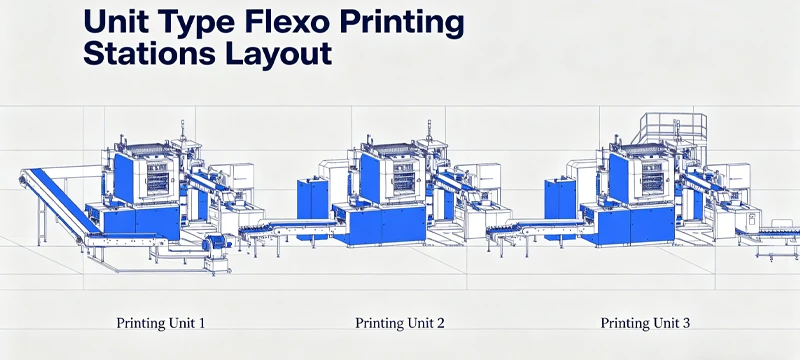
Now let’s shift to the other side of the shop floor—the unit type (petal) configuration.
Each printing unit operates independently. That sounds simple, but it changes everything:
For businesses handling “multi-SKU label production” or “short run customized packaging printing”, this flexibility is not a luxury—it’s survival.
However, because the substrate travels between units, you’ll see:
Let me give you a situation I’ve seen more than once.
A mid-sized label converter handling:
They initially invested in CI. Great print quality—but downtime during changeovers started eating into profits.
Switching part of their capacity to a petal-type setup allowed them to:
This is why many buyers searching for “flexo machine for short run label jobs” or “efficient label printing for multiple SKUs” lean toward unit-type designs.
Here’s something the market doesn’t say loudly enough:
Petal-type machines today are not what they were 10 years ago.
Advanced designs—like those from Fangbang—have significantly improved:
This is where the Unit Type Flexo Printing Machine (Petal Type) starts to compete beyond just flexibility.
If you’re curious about how these systems are configured, you can explore detailed specifications to see how modern engineering addresses traditional limitations.
.webp)
In reality, the “Petal vs CI” debate is incomplete without talking about customization.
A well-configured unit-type machine can include:
This transforms it from a flexible option into a targeted production solution.
For businesses with diverse product lines, this adaptability often outweighs the theoretical precision advantage of CI.
To understand how such configurations fit real production needs, you might want to check application scenarios.
Here’s the honest, experience-based answer:
But the market trend is shifting.
As label production becomes more fragmented—more SKUs, shorter runs, faster turnaround—the definition of “better printing” is evolving from pure print quality to total production efficiency.
And in that equation, modern unit-type machines are no longer the underdog.
If you’re evaluating options, it’s worth taking a closer look at how these systems are built—get selection insights here.
Apr 21, 2026
Petal vs CI Flexo: Which Prints Labels Better?Apr 20, 2026
Gravure Printing Machine Selection: 6 Must-Know TipsApr 17, 2026
What to Look for in a High-Speed Computerized Color Register Rotogravure Press