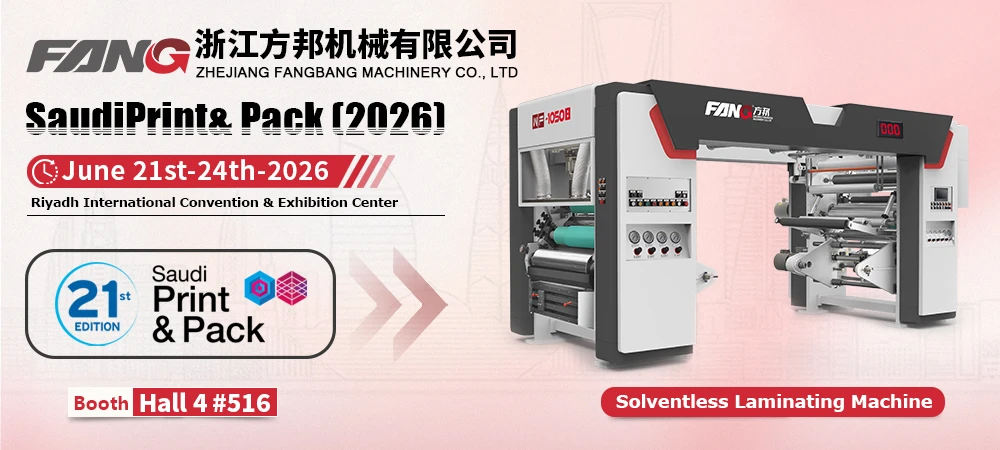
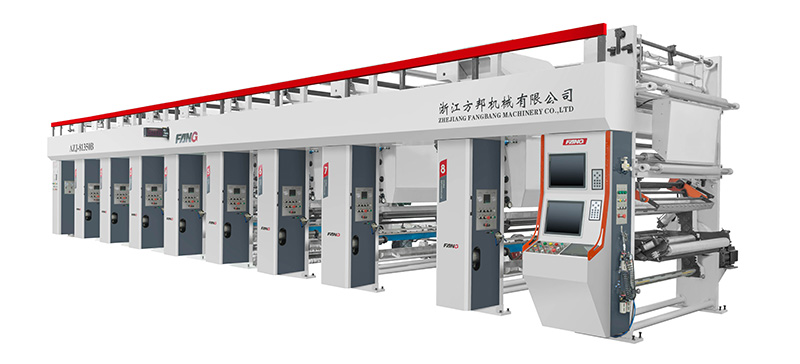
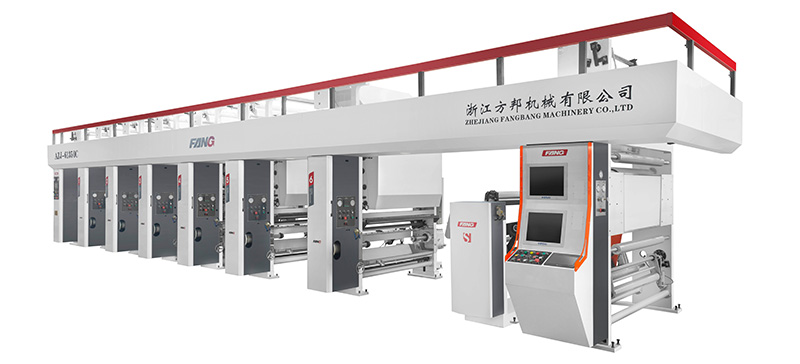
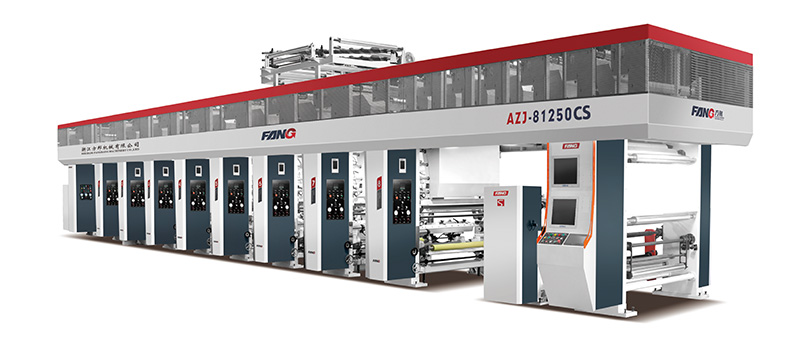
For printing plants, packaging factories, and product manufacturers, choosing automatic laminating machines is not just about upgrading tools; more importantly, it's about ensuring consistent product quality, reducing troublesome hidden costs, and maintaining sufficient flexibility to seize market opportunities. Unlike manual or semi-automatic equipment, whose production efficiency and product quality are significantly affected by human factors (efficiency drops sharply when workers are fatigued), automatic laminating machines completely transform the production model. Taking Fangbang's automatic laminating system as an example, this system, certified to ISO 9001:2015 and compliant with GB/T 17313-2009 standards, addresses the pain points that plague 42% of businesses—uneven film application, significant material waste, and unstable production quality.
Many believe that lamination is "good enough," but for high-end packaging, a 0.1 mm deviation or tiny bubbles can lead to the entire batch of products being scrapped. A third-party test compared Fangbang's fully automatic laminating machine with a semi-automatic device, and the results were significantly different: when processing over 1000 sheets of 250g coated paper, the automatic laminating machine's film alignment error was only ±0.008 mm, while the average error of the semi-automatic device was as high as 0.5 mm. So, how is this high precision achieved? Fangbang's equipment is equipped with a built-in FATEK PLC control system and a 420 mm diameter hard chrome mirror-finished heating roller—together, they ensure consistent temperature (50-140℃) and pressure (5-18MPa) across the entire surface, eliminating localized overheating and bubble formation.
For a high-end gift box factory in Shenzhen, this precision completely transformed their production. The product defect rate dropped from 8% to 0.3%, saving 20,000 RMB in material costs per month. "We no longer have to work overtime dealing with defective products," said the factory manager. "And what about the intelligent tension control system of this machine? It can handle ultra-thin OPP film without any wrinkles. Our previous semi-automatic machine simply couldn't do that."
Manual laminating machines are full of bottlenecks: paper feeding, film adjustment, and finished product collection—each step slows down the process. Fangbang's automatic paper feeding and collection system completely solves this problem. Its continuous paper feed system allows you to add paper while the machine is running, and the automatic slitter adjusts in real-time based on paper size. The result? 50 meters per minute – three times faster than semi-automatic machines – and a reduction of two operators per shift. That's a huge boost for any team.
FangBang's technical support and on-site service also eliminate the worry of equipment maintenance. "When we switched to biodegradable film, FangBang's engineers were on-site the very next day to adjust the parameters," recalls the packaging manager of a green food brand. "They don't just sell equipment; they partner with us to ensure everything runs smoothly."
The initial cost of an automatic laminating machine is higher – enough to make any buyer hesitate. But the return on investment is key. One case study found that companies using automatic laminating technology can recoup their costs within 8 to 12 months, thanks to less labor, less waste, and higher output.
Click on FangBang's product page to learn more about our automatic laminating machines. If you're considering a purchase, you can also click on FangBang's contact page!
May 28, 2026
Gravure Printing Machine Selection – Don’t Ignore After-SalesMay 25, 2026
Gravure Printing Machine Selection: How Registration WorksMay 22, 2026
Flexible Packaging? Gravure Printing Machine Selection Tips