So you’re in the market for a printing system upgrade, and you’ve probably heard the buzz around sleeve technology. Here’s what you really need to know upfront: the choice between a traditional heavy-cylinder setup and a modern sleeve-based system can slash your job changeover time by up to 70% while reducing substrate waste dramatically. The global rotogravure printing machine market grew from USD 2.56 billion in 2025 to USD 2.68 billion in 2026, with a projected CAGR of 5.43% through 2032. But what’s driving that growth isn’t just more volume—it’s a fundamental shift in how converters think about flexibility, speed, and sustainability.
Let me paint you a picture of something I’ve seen play out in packaging plants across Asia and the Middle East. It’s Monday morning, and your team is preparing to switch from a food packaging job to a personal care order. The crew gathers around the press. Someone fetches the forklift. The 500-pound cylinder—yes, a conventional gravure cylinder can weigh that much—is carefully maneuvered out of the press bed. Then comes the waiting game for the next engraved cylinder to arrive from storage or from the engraver. Meanwhile, the press sits idle. Material accumulates. The clock keeps ticking.
Traditional integrated cylinders demand heavy lifting equipment, dedicated racking systems, specialized shipping containers, and significant storage space. A single shaft cylinder weighing several hundred pounds isn’t just a logistical headache—it’s a productivity killer.
Now think about the ergonomic toll on your operators. Maneuvering those behemoths day after day isn’t just slow; it’s physically demanding and carries safety risks. And when a job gets damaged or needs revision? You’re looking at days of re-engraving, not hours.
Here’s where things get interesting. A lightweight printing sleeve weighs somewhere between 7 and 15 pounds. That’s not a typo. You go from 500 pounds to 15 pounds. One person can carry it. One person can mount it. And you don’t need a forklift anywhere near your press.
But weight is just the headline. The real story is in the numbers that impact your bottom line. sleeve-enabled presses can achieve job changeovers in under 14 minutes with just 95 meters of waste—a far cry from the hour-plus changeovers that used to be the industry standard. That same setup delivers 47% less substrate waste, 60% less ink consumption, and an 18–20% reduction in overall production costs per reel.
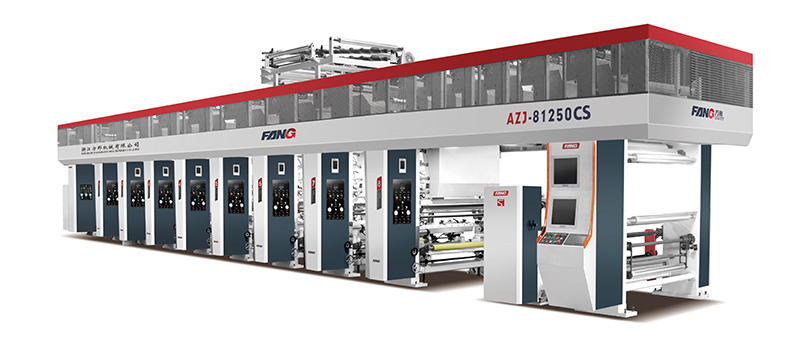
The printing industry has changed. Long gone are the days when converters could rely on million-meter print runs to amortize every setup cost. Today’s brand owners want smaller batches, more frequent design refreshes, and faster time-to-market. Flexible packaging runs are getting shorter, and multi-SKU portfolios are the norm, not the exception.
Here’s a stat that should make you think: A 2025 study published in the International Journal of Advanced Manufacturing Technology found that implementing systematic waste-reduction strategies—like those enabled by quick-change sleeve systems—generated annualized savings of $1.07 million per printing plant. That’s not speculative; that’s peer-reviewed data from real production environments.
Sleeve technology directly addresses the pain points that keep production managers up at night: excessive make-ready time, material waste during job transitions, and the inability to pivot quickly when a customer changes their mind.
Let’s be honest about the alternatives because you deserve a balanced view.
Flexographic printing systems have long been the poster child for quick changeovers. And yes, modern flexo presses equipped with sleeve technology can switch jobs rapidly. But here’s what the flexo salespeople might not emphasize: gravure sleeves offer significantly better durability for continuous reuse, whereas flexo sleeves typically need replacement every two to three years, adding recurring costs to the flexo process. Additionally, gravure delivers superior print quality consistency across the entire run, with no color variation from start to finish. A gravure press that integrates sleeve technology gives you the best of both worlds—flexo-like agility with gravure-grade precision.
Digital printing has carved out its space for ultra-short runs and prototyping. But when you’re producing 50,000 to 500,000 impressions, digital’s per-unit cost remains stubbornly high. Ink costs alone can eat into margins that gravure handles with ease.
The hybrid approaches floating around the market—some promising the moon—often come with integration headaches and proprietary lock-in. You don’t need a science experiment. You need equipment that works, day in and day out, with predictable performance.
Sleeve technology isn’t just about lighter cylinders. It’s the gateway to true Industry 4.0 connectivity in your printing operations. Modern printing systems equipped with sleeve-based architectures can integrate IoT sensors that monitor sleeve wear, predict maintenance needs, and transmit real-time production data to your central management system.
When you evaluate equipment, look beyond the press itself. Can the system communicate with your ERP? Does it support data-driven process optimization? Is the sleeve design compatible with automated engraving workflows? These questions separate forward-thinking investments from yesterday’s legacy systems.
Here’s a truth that doesn’t get discussed enough in equipment brochures: no two packaging operations are identical. The substrates you run, the repeat lengths you use, the drying requirements of your inks, the space constraints of your facility—these variables matter.
A truly customized printing equipment solution should start with an audit of your actual production mix. What are your most common repeat lengths? What’s the ratio of short runs to long runs? What’s your current waste percentage during changeovers?
The best suppliers don’t just sell you a press and walk away. They help you rationalize your cylinder inventory, identify families of repeats that can be standardized, and develop a transition plan that makes economic sense. As one industry expert noted, sleeve adoption often follows an 80/20 rule—you identify the 20% of your jobs that cause 80% of your changeover pain and tackle those first.
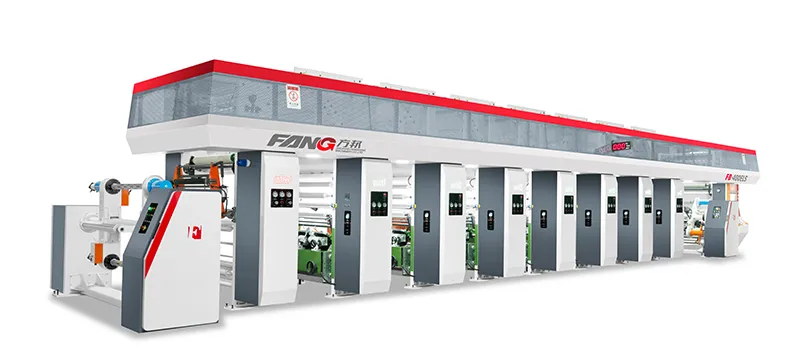
For converters dealing with complex substrate requirements—from ultra-thin PET films to heavy aluminum foil—customized gravure press configurations can incorporate tailored drying systems, tension control algorithms calibrated to specific materials, and automated register correction that maintains quality across the entire web width. This isn’t off-the-shelf; this is engineering precision.
If you’re evaluating production equipment today, I’d suggest looking beyond the initial purchase price. Calculate total cost of ownership over five years, factoring in:
Changeover labor hours × operator rates
Substrate waste during setup × material cost per meter
Storage and logistics for cylinder inventory
Energy consumption (shorter dryers on modern presses reduce electrical demand)
Maintenance intervals and parts availability
The companies that have successfully transitioned to sleeve-based systems report ROI in under four months. That’s not theory; that’s documented from real-world implementations.
If you’re serious about reducing waste, speeding up changeovers, and making your production floor more responsive to customer demands, then taking a closer look at the available options is a logical next step. The right printing press selection process involves comparing specs, yes—but it also means asking hard questions about supplier support, customization capabilities, and long-term service.
Sleeve technology isn’t a fad. It’s not a niche solution for early adopters. It’s becoming the standard for any converter serious about staying competitive in a market that demands shorter runs, faster turnarounds, and tighter environmental accountability. With global rotogravure printing markets projected to reach $37.8 billion by 2034, the question isn’t whether you’ll adopt sleeve technology—it’s when.
Apr 23, 2026
Why Sleeve Tech Matters in Gravure Printing Machine SelectionApr 21, 2026
Petal vs CI Flexo: Which Prints Labels Better?Apr 20, 2026
Gravure Printing Machine Selection: 6 Must-Know Tips